Healthy Childhood Development Program
Children grow-up in a safe and caring environment
Using the ICDP methodology to strengthen caregiver capacity and promote children’s well-being, protection, and development across Bangladesh

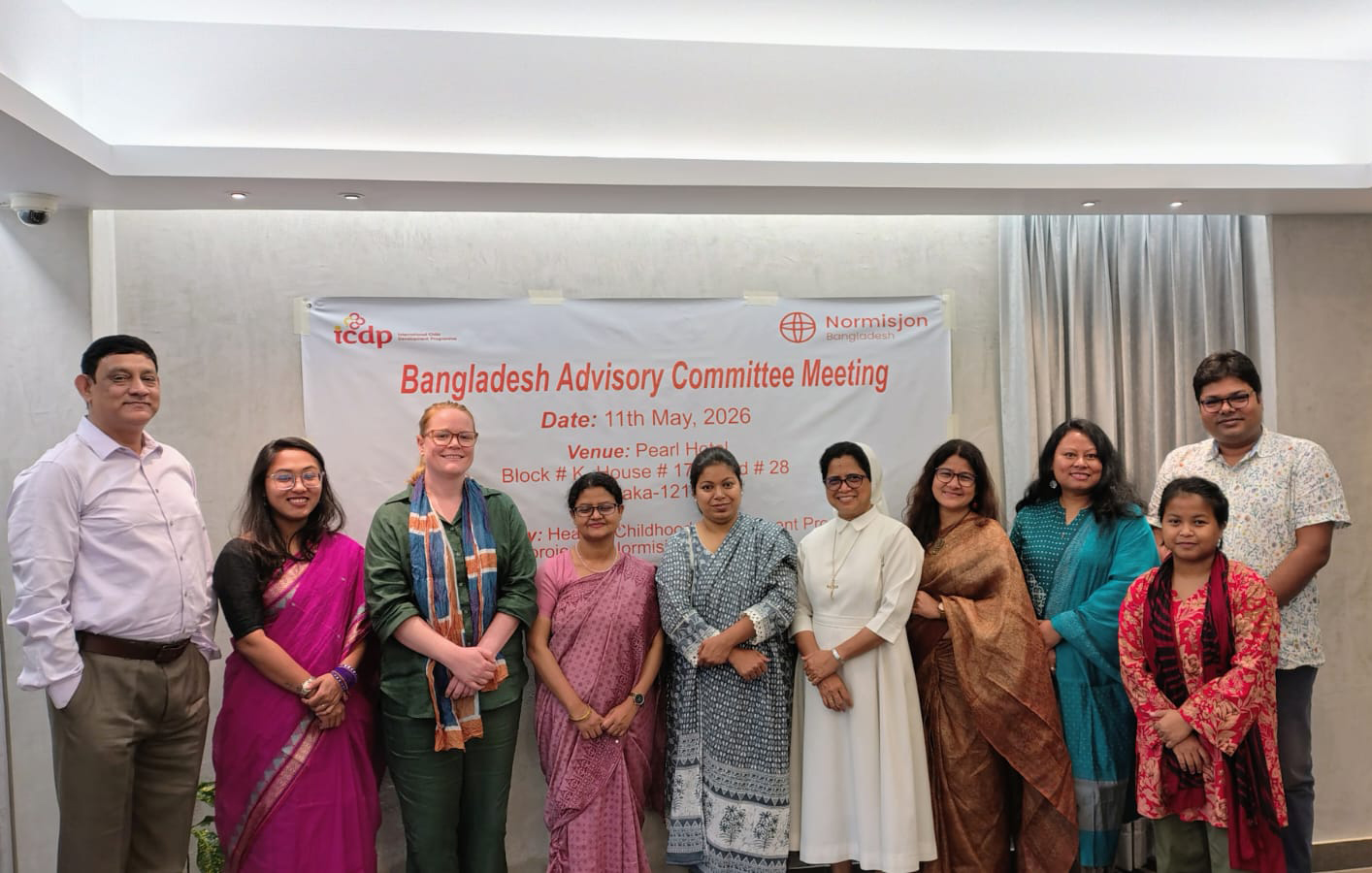
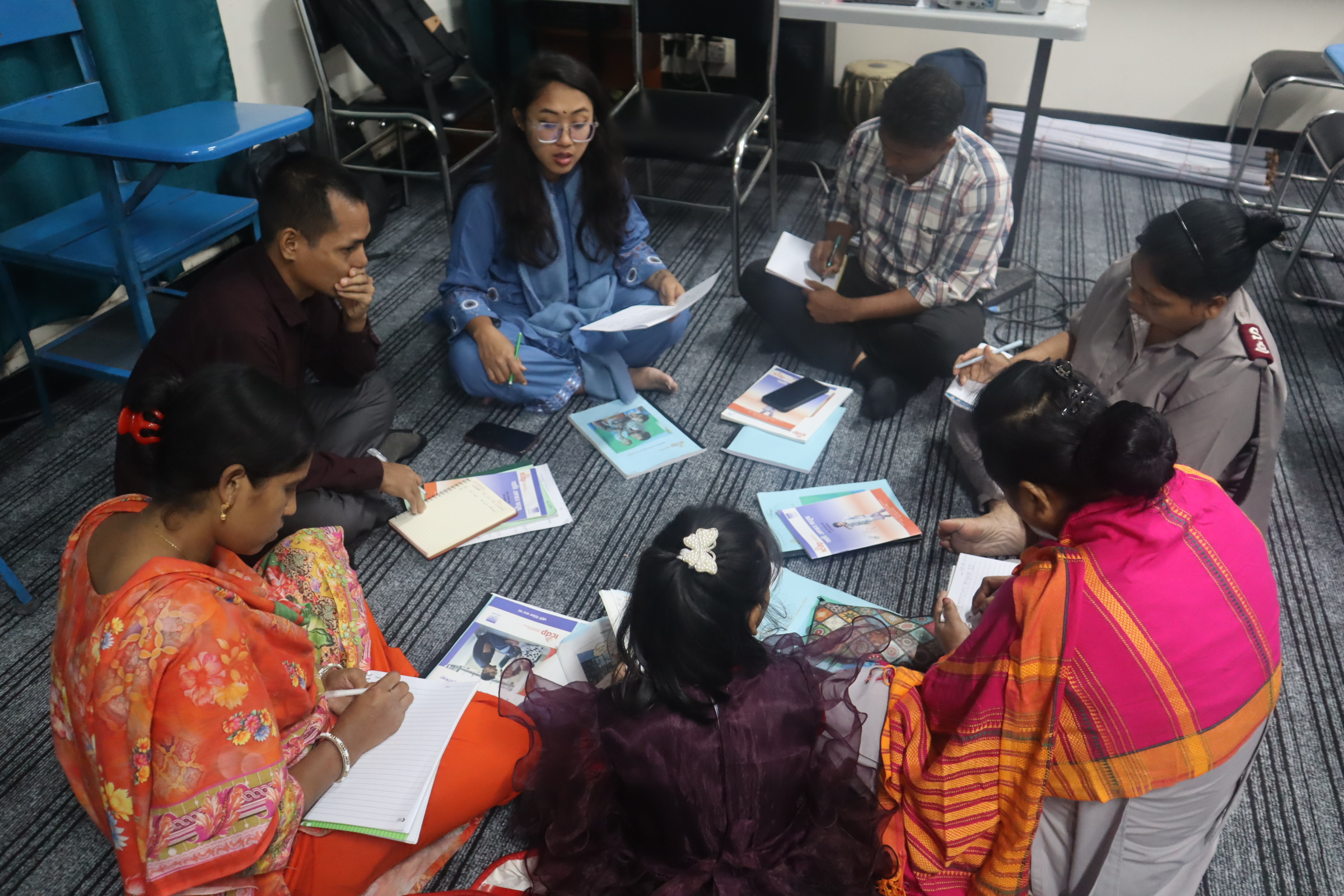
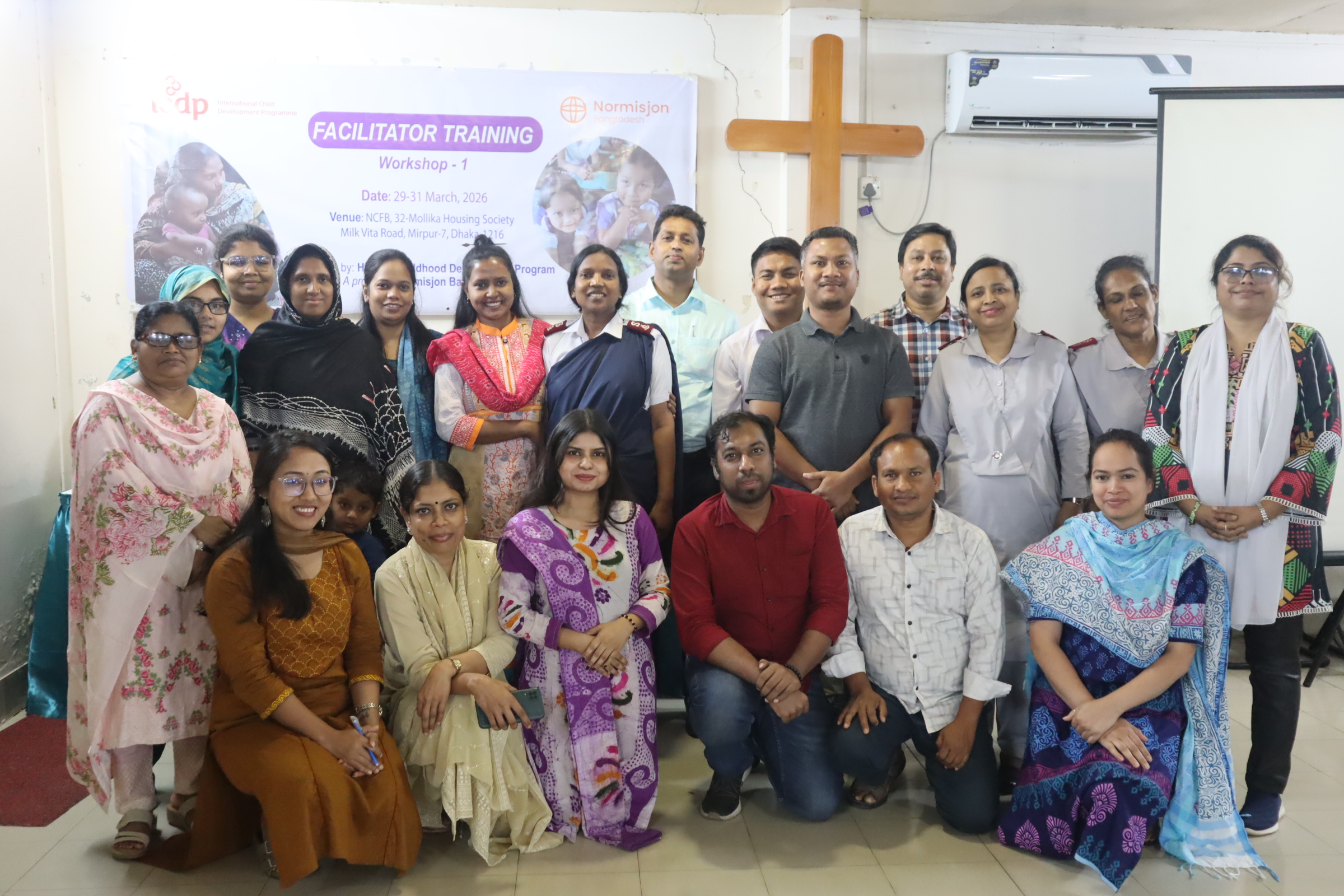
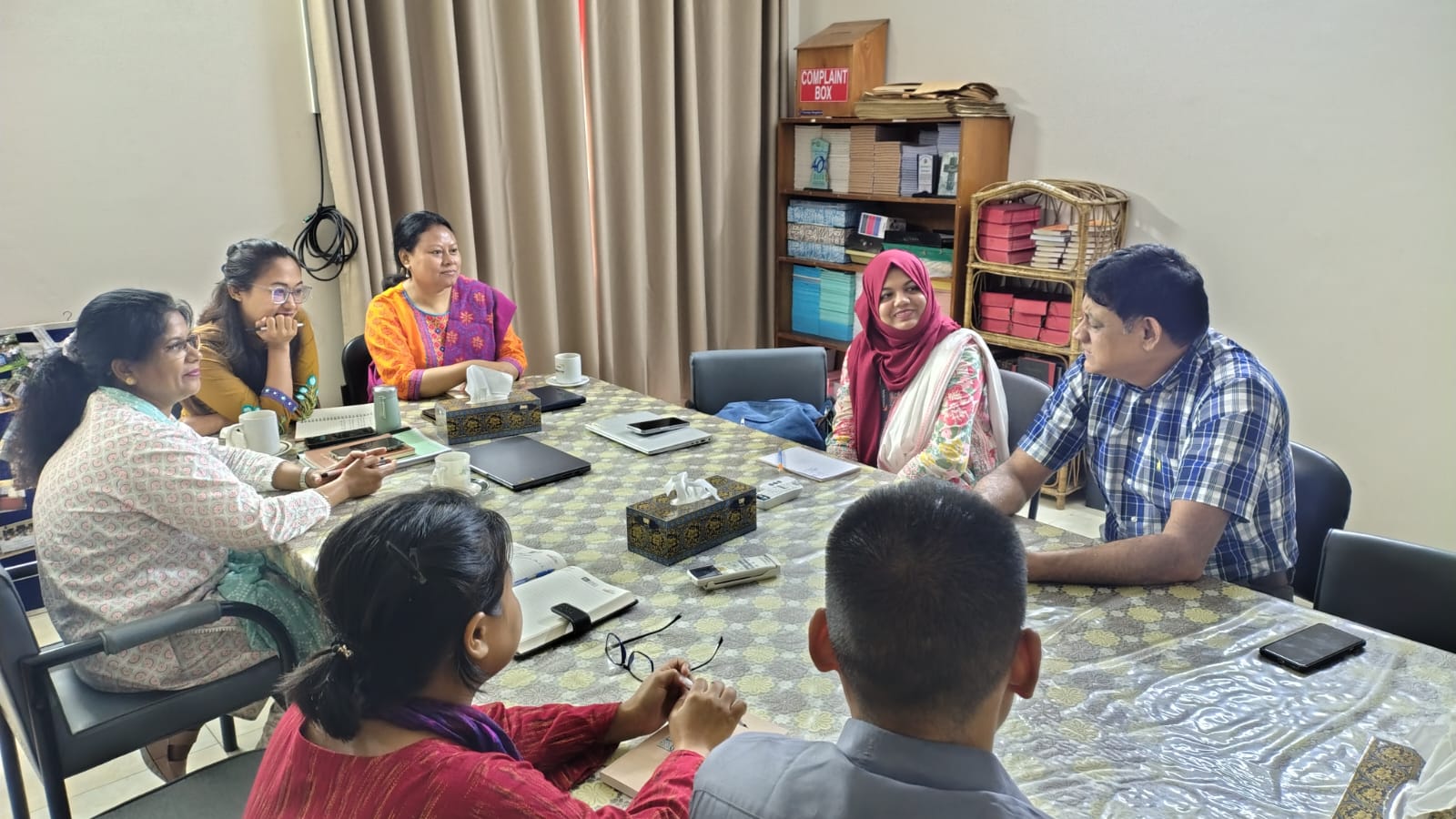
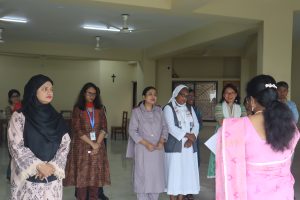
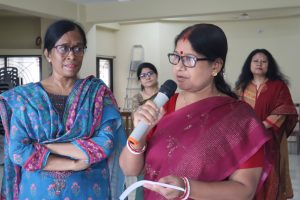
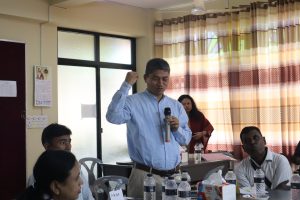
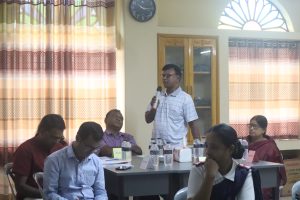
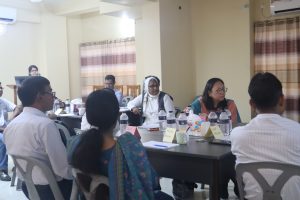
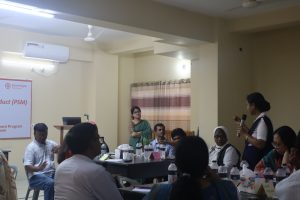
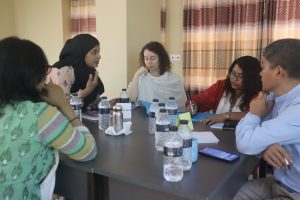
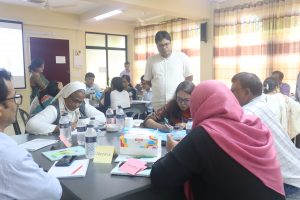
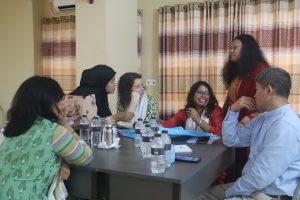
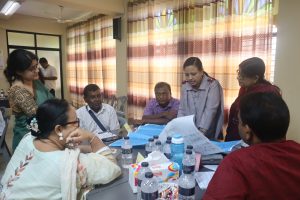
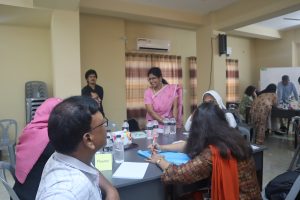
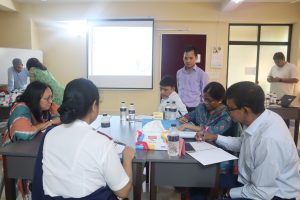
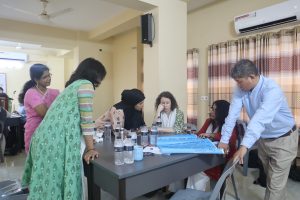
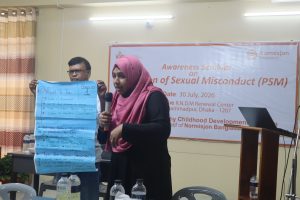
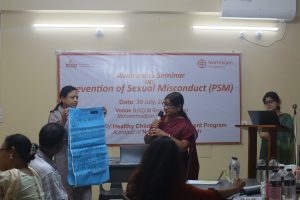
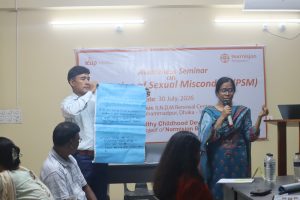
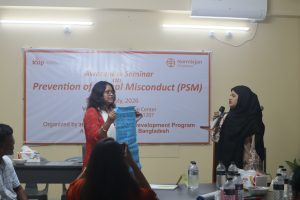
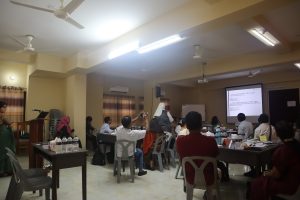
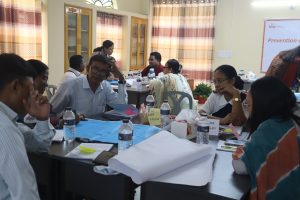
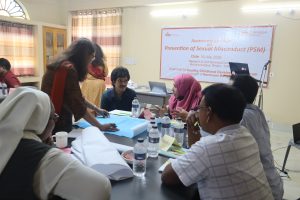
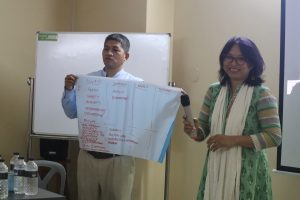
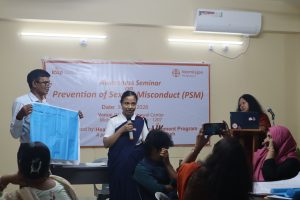
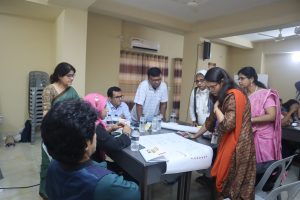
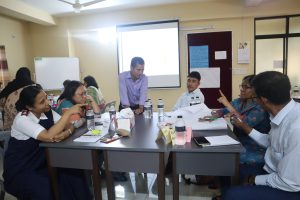
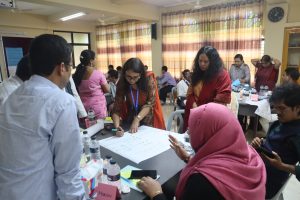
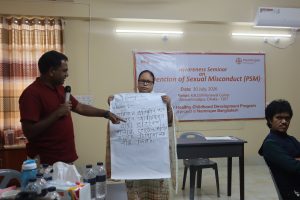
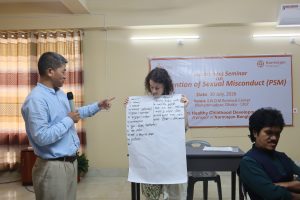
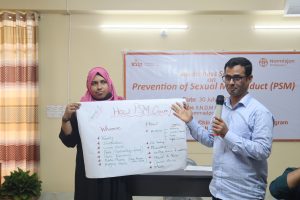
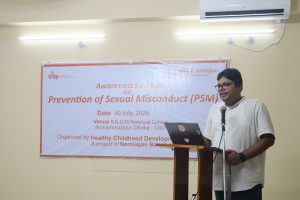
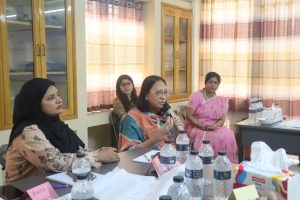
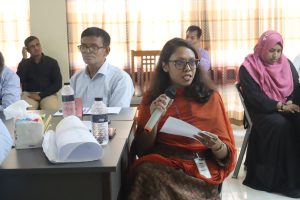
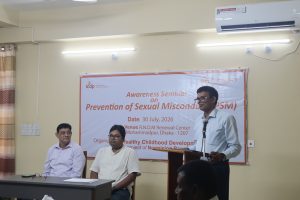
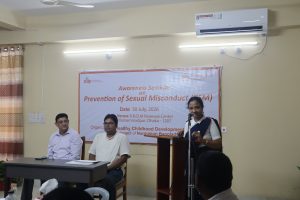
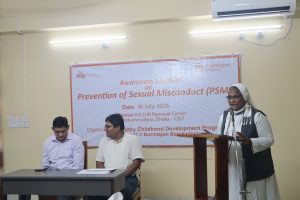
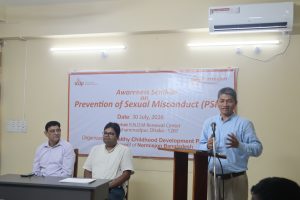
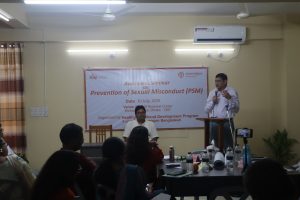
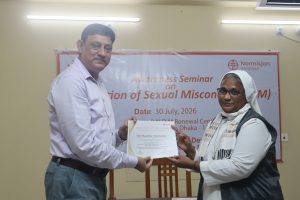
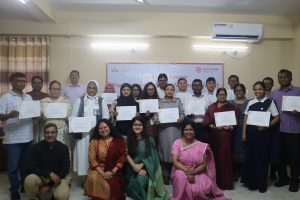
The Healthy Childhood Development Program (HCDP) organized a One-Day Seminar on Prevention of Sexual Misconduct (PSM) on 30 July 2026 from 9:00 AM to 5:00 PM at the RNDM Renewal Center, 24 Asad Avenue, Mohammadpur, Dhaka-1207.
A total of 22 participants from seven partner organizations attended the seminar. Representatives came from The Salvation Army, SIM Bangladesh, Healing Heart, Friends of Basha, BTABC, ECC, and BNELC. The participants included senior management, program staff, and community workers who are directly involved in managing teams and serving community members.
The seminar focused on key topics related to the prevention of sexual misconduct, including sexual harassment, abuse, exploitation, and neglect. Through interactive sessions and discussions, participants strengthened their understanding of different forms of misconduct and learned practical approaches to safeguarding individuals from abuse. The training also provided guidance on developing effective organizational policies and clarifying staff roles and responsibilities in maintaining a safe environment.
An important feature of the seminar was the active participation of the partner organizations. Participants shared their experiences, challenges, and good practices, creating a rich learning environment for everyone. Their contributions helped deepen discussions and reinforced the importance of collective efforts in promoting safeguarding and preventing sexual misconduct.The seminar marked a positive step toward building awareness, strengthening organizational capacity, and fostering safer communities for all.
Leader of ECC:
“I learned something new. Such experiences can happen, and I realized for the first time that this kind of lesson can be shared with people so simply. I will highlight this in hill tracts ethnic community and other ethnic communities, and I will try—I will do it. It is important so that people, especially young girls and youth, can protect themselves from such incidents if they face them. I will encourage them not to be afraid and to stand strong.”
Leader of The Salvation Army:
“One of the most important realizations was that true learning begins when knowledge is applied in practice. The group discussions helped me reflect on our own context and responsibilities, making the experience engaging rather than monotonous. I also observed how sharing experiences can relieve hidden pain and encourage healing, reinforcing the importance of creating safe spaces for expression.”
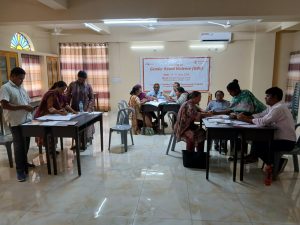
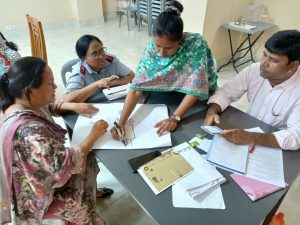
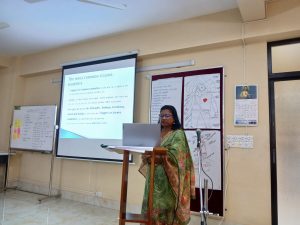
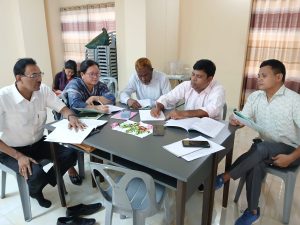
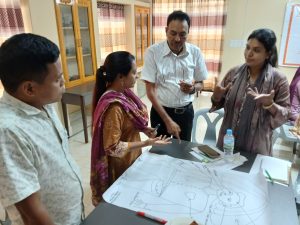
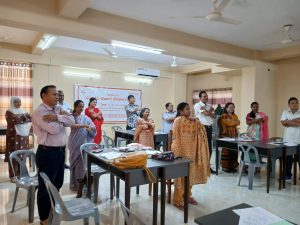
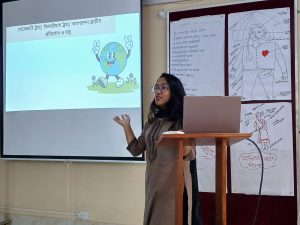
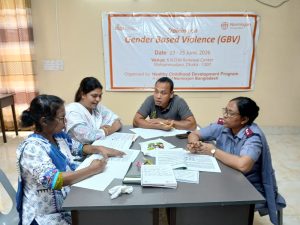
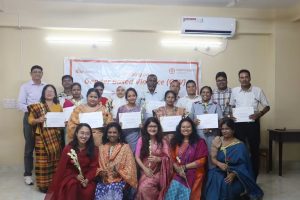
The Gender-Based Violence (GBV) training and certification ceremony ended with heartfelt reflections from both respected leadership of NB and valuable participants on 25th June 2026. A powerful message from our NB Director Mr. Rana D Mazumder, reminded everyone that learning must lead to action: “Just like a matchstick, may we ignite ourselves and rise in flame.” His words encouraged participants to become true change makers in their daily work. It beautifully conveys the idea that each of us carries the spark to ignite change, and through our actions, that spark can spread into a larger flame of transformation.
Our NB Programme Manager, Mr. James Biswas reminded everyone that— “true change begins with ourselves.’’ His words highlighted the importance of personal responsibility in driving transformation within families, communities, and society at large in the area of establishing the rights of women and stop the violence in everywhere.
Although the participants received many trainings on GBV/ Trauma Healing, but they shared that many aspects of this training were new to them. The facilitators delivered the sessions in such a simple, respectful, and accessible way that understanding came naturally. They expressed gratitude for the trainers’ humility and patience, noting that NB’s training always creates an environment of dignity and openness.
We are thankful to our partners of The Salvation Army, Faith in Action, Lamb Hospital and Evangelical Christian Church who showed interest by sending their staff working in communities where there is a great need to care for survivors. Together, we aim to transform communities into places with no violence, no discrimination, and where life is lived with dignity.